|
Sexually transmitted diseases (STDs) and/or sexually transmitted infections (STIs) are group of diseases which are passed on through intimate sexual contacts. Sometimes they called Venereal disease. Sexually transmitted infections (STIs) are passed from person to person during intimate sexual contact. You can catch STIs through: having unprotected vaginal sex, having unprotected anal sex, having unprotected oral sex, or having genital contact with an infected partner.
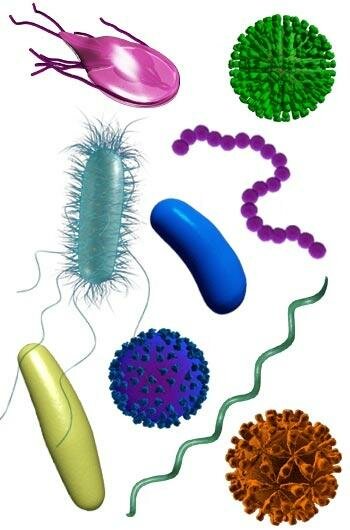
As with many other diseases, prevention is a key. It is much easier to prevent STDs than to treat them. If someone is going to have sex, the best way to reduce the chance of getting an STD is by using a condom. Correct usage of latex condoms greatly reduces, but does not completely eliminate, the risk of catching or spreading STDs. The causes of STDs are bacteria, parasites and viruses.
There are more than 20 types of STDs, including the following:
|
|
The risk of contracting infections such as gonorrhea and syphilis through oral sex is much greater than the risk of contracting HIV. However, recent studies suggest that the potential risk of HIV through oral sex is higher than previously estimated. Most STDs affect both men and women, but in many cases the health problems they cause can be more severe for women. If a pregnant woman has an STD, it can cause serious health problems for the baby.

|
Chlamydia is a common sexually transmitted disease caused by bacteria. In women, genital chlamydial infection often does not cause any symptoms. Chlamydia usually doesn't cause
symptoms. However, there may be non-specific symptoms such as cystitis (burning feeling when you urinate), abnormal vaginal discharge, or mild lower abdominal pain.
Chlamydia can infect the urinary tract. In women, infection of the reproductive system can lead to pelvic inflammatory disease, which can cause infertility or serious problems with pregnancy.
|

|
Gonorrhoea is an infection that is found in both sexes and can affect the genitals, anus, rectum and throat. About half of all women infected with gonorrhoea experience symptoms, including a thin, watery discharge from the vagina that can appear yellow or green. Gonorrhea can cause bleeding between periods and pain when urinating.
Gonorrhea is most common in young adults. The bacteria that cause gonorrhea can infect the genital tract, mouth or anus. If untreated, gonorrhea can lead to pelvic inflammatory disease, which causes problems with pregnancy and infertility. Gonorrhea can pass from mother to baby during pregnancy.
|

|
|

|
HIV is Human immunodeficiency virus and AIDS is Acquired immunodeficiency syndrome.
Many people do not develop any symptoms when they first become infected with HIV. Some people, however, get a flu-like illness within three to six weeks after exposure to the virus. The only way to know if you are HIV-positive is to have a test. Over time, infection with HIV weakens the immune system leading to difficulty fighting off certain infections.
AIDS is the most advanced stages of infection with the human immunodeficiency virus. HIV is a virus that kills or damages cells of the body's immune system. HIV most often spreads through unprotected sex with an infected person. AIDS may also spread by sharing drug needles or through contact with the blood of an infected person. Women can give it to their babies during pregnancy or childbirth. The first signs of HIV infection may be swollen glands and flu-like symptoms. These may come and go a month or two after infection. Severe symptoms may not appear until months or years later.
|
|
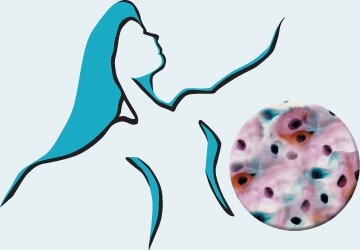
HPV (Genital human papillomavirus) is the most common sexually transmitted infection (STI).
The virus infects the skin and mucous membranes. There are more than 40 HPV types that can infect the genital areas including vulva (area outside the vagina), and anus, and the linings of the vagina, cervix, and rectum. You cannot see HPV. Most people who become infected with HPV do not even know they have it. Most people with HPV do not develop symptoms or health problems. But sometimes, certain types of HPV can cause genital warts.
Other HPV types can cause cervical cancer and other less common cancers, such as cancers of the vulva, vagina and anus. The types of HPV that can cause genital warts are not the same as the types that can cause cancer.
|
|
Syphilis is a sexually transmitted disease caused by bacteria. It infects the genital area, lips, mouth, or anus. The early stage of syphilis usually causes a single, small, painless sore. Sometimes it causes swelling in nearby lymph nodes. If you do not treat it, syphilis usually causes a non- itchy skin rash, often on your hands and feet. Up to six months after the initial symptoms occur, you may experience flu-like symptoms, such as aching and shivering. Many people do not notice symptoms for years. Symptoms can go away and come back.
The sores caused by syphilis make it easier to get or give someone HIV during sex. If you are pregnant, syphilis can cause birth defects, or you could lose your baby. In rare cases, syphilis causes serious health problems and even death. |

|
Trichomoniasis is an infection of the genitals that is caused by the bacterium trichomonas vaginalis (TV). The condition often has no symptoms, but symptoms may include a yellow or green discharge from the vagina with soreness, itching in or near the vagina and discomfort with urination.
|
 |
Genital warts.Many people who get the virus that leads to genital warts do not show any recognisable symptoms, and this is why the infection can go undiagnosed for a long time.
However, if symptoms are present, they may include small white spots or lumps that are hidden inside the vagina or anus. If a woman has warts on her cervix, this may cause slight bleeding or, very rarely, an unusual colored vaginal discharge. The warts may itch. Genital warts, caused by some types of HPV (human papilloma virus), can appear on the skin anywhere in the genital area as white or flesh-colored, smooth, small bumps, or larger,
fleshy, cauliflower-like lumps. Other HPV subtypes cause warts to grow on different parts of the body, such as the hands. |
 |
Herpes is an infection that is caused by a herpes simplex virus (HSV). Oral herpes causes cold sores around the mouth or face. Genital herpes affects the genitals, buttocks or anal area. Genital herpes is a sexually transmitted disease (STD). You can get it from having sex, even oral sex. The virus can spread even when sores are not present. Mothers can also infect their babies during childbirth.
Some people have no symptoms. Others get sores near the area where the virus has entered the body. They turn into blisters, become itchy and painful, and then heal. The virus can be dangerous in newborn babies or in people with weak immune systems. Most people have outbreaks several times a year. Over time, you get them less often. |
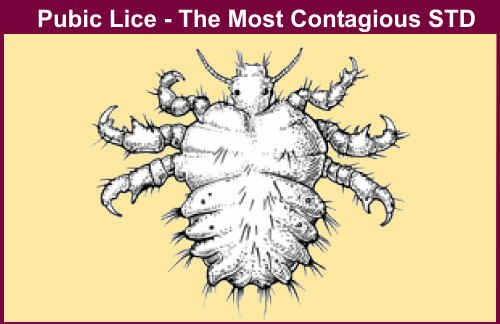 |
Pubic lice. Symptoms of pubic lice include itchy skin. You may also notice black powder (lice
droppings) and white eggs in your underwear. |
 |
Scabies can occur anywhere on the body, but sometimes the signs are hard to spot.
Symptoms can appear weeks after first contact and include itching (especially at night), a
rash, and tiny spots. |
 |
Thrush. Symptoms of thrush include intense itching around your penis or vagina, a thick, white discharge, and the appearance of tiny white spots around the genitals. |
 |
Hepatitis. Hepatitis A is the most common of the seven known types of viral hepatitis. Infection with the hepatitis A virus leads to inflammation of the liver, but complications are rarely serious. The hepatitis A virus (HAV) is found in the faeces of someone infected with the virus. It only takes a tiny amount of faeces getting inside another person’s mouth to cause hepatitis A infection. Personal hygiene, such as careful hand washing, can minimize the risk of the virus being passed on. HAV is a common infection in many parts of the world where sanitation and sewage infrastructure is poor. Often people become infected with HAV by eating or drinking contaminated food or water. Hepatitis A is also classed as a sexually transmitted disease (STD) because it can be passed on sexually, particularly during activities such as anilingus (rimming). The washing of genital and anal areas before sex, and the use of condoms or dental dams can help to prevent this risk. Many people who become infected with HAV will have symptoms that include a short, mild, flu- like illness; nausea, vomiting and diarrhoea; loss of appetite; weight loss; jaundice (yellow skin and whites of eyes, darker yellow urine and pale faeces); itchy skin; abdominal pain. The infection usually clears in up to 2 months, but may occasionally recur or persist longer in some people. Once a person has been infected and their body has fought off the virus they are permanently immune.
|
During Pelvic Exam all necessary laboratory tests should be done and the correct diagnosis and treatment can be provided by your doctor. Best prevention is condom but correctly used.
|